
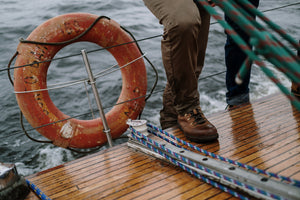



Caring for your Sailing Apparel
At Foster’s, we don’t just want you to leave with new gear — we want you to enjoy it for years to come. Proper care ensures your technical clothing performs at its best and lasts as long as it should, and we want you to get the most out of your gear, that's why we've compiled this article.
There is no such thing as bad weather if you have the right clothes, so be sure to take care of your Musto garment so it can take care of you.
MUSTO General Care Information: Waterproof and GORE-TEX® trousers, jackets, insulators and Polartec® fleece. Vaikobi VDRY range follows identical instructions.
"Your Musto garments are engineered with a variety of materials and fabrics to create the best combination of freedom of movement, breathability, windproofing, waterproofing and warmth. Each type of garment will therefore have its own care requirements. We recommend that you read the care labels inside your garments carefully as this will provide specific information for your product. Below is some general guidance on how to care for your Musto products."
 CLEANING
To ensure longevity and top performance, make sure you only wash your garments when they really need it. If you're using them occasionally, a single wash at the end of the season—before storing—should be enough to keep them fresh and clean. Use a small amount of detergent in warm water and gently wipe.
Your garment will have cleaning instructions on the label but in case you missed it, here are the things you should AVOID:
- Do not use, under any circumstances, biological detergents or dry-clean. Biological detergents contain enzymes that can damage the performance and effectiveness of your product.
- Do not use fabric softener, as this can also affect the breathability and moisture management of your jacket and can damage the fibres and colour fastness.
- Do not use bleaching agents or scrub excessively.
 RE-PROOFING
We treat Musto waterproof garments, such as BR1, BR2, HPX, MPX and GORE-TEX® products, with a durable water repellent (DWR) treatment. This polymer prevents the garment outer fabric from being saturated with water. Wear and tear, salt, dirt or repeated washing can wear off the DWR treatment. Your garment may even appear to be leaking because the waterlogged outer is reducing the jacket’s breathability, creating condensation on the inside. When this happens, or to prevent this from happening, you will need to re-treat your product.
- We recommend you treat your garment only when the DWR performance begins to lower - it does not have to be after every single wash. You can test the DWR performance by sprinkling water on the fabric. If the water beads up and rolls off, the DWR does not need renewing. Reproofing will avoid you getting an uncomfortable wet out feeling that can rapidly put an end to your day out.
- Musto recommends Granger’s Performance Repel or Clothing Wash and Repel to renew the DWR.
- Because DWR can be activated with heat, if the care label in the garment allows, you could alternatively tumble dry your clean garment for 20 minutes on a low heat to reactivate the DWR treatment on the outer fabric.
 FOOTWEAR
Your Musto footwear and accessories will need as much care as the rest of your kit. Washing, drying and storing your sailing gear correctly after every use will prolong its working life. Every product you buy will come with specific care instructions and extra information can be found on our product care page.
- Let the shoe dry naturally before use. Tip: if the inside of your shoe is wet from your sailing session or outdoor activity, stuff your wet shoes with newspaper to help pull out the majority of the moisture.
- Do not expose your shoes to direct heat sources such as the sun, radiator, stove, or open fire.
 DUBARRY BOOTS
"With Dubarry sailing boots you are assured of comfort and protection for years to come. To guarantee this, we use high-quality components and the very best quality leather which is specially treated to absorb less moisture. It is water-repellent and dries quickly, up to 70% faster compared to other types of leather. To ensure that your Dubarry sailing boots continue to perform, you will need to treat them properly and follow our detailed care instructions to keep your footwear in tip top condition."
Remove any dirt and salt with clean cold water. Then spray Dubarry Footwear Cleaner all over, including any fabric sections, and work-in, brush vigorously until it lathers. Rinse well with water and allow to dry naturally for 24 hours before any further treatment. 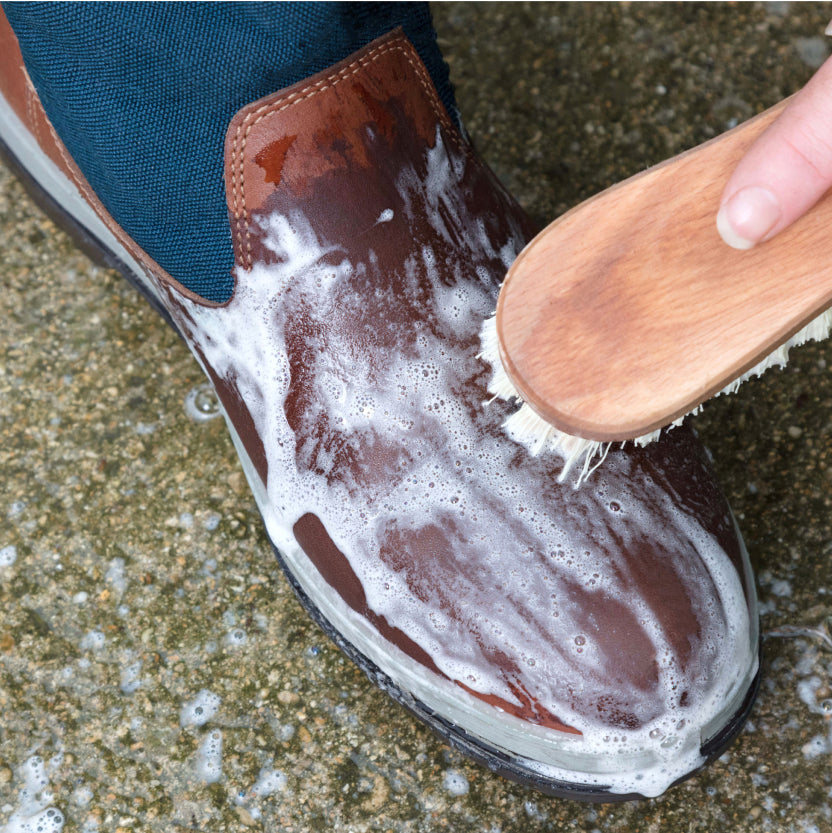
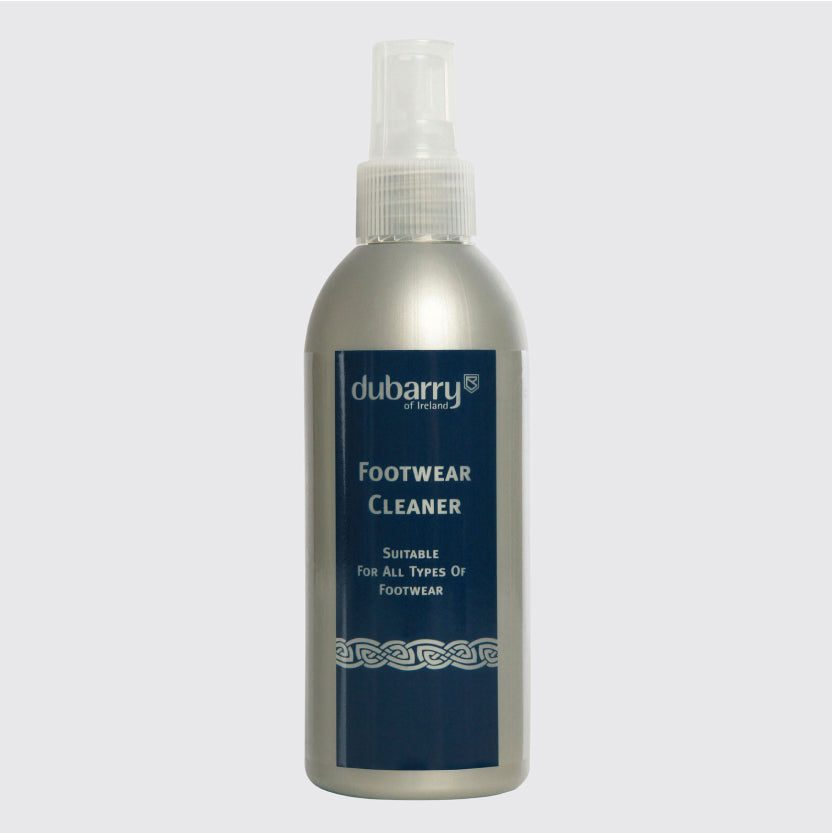
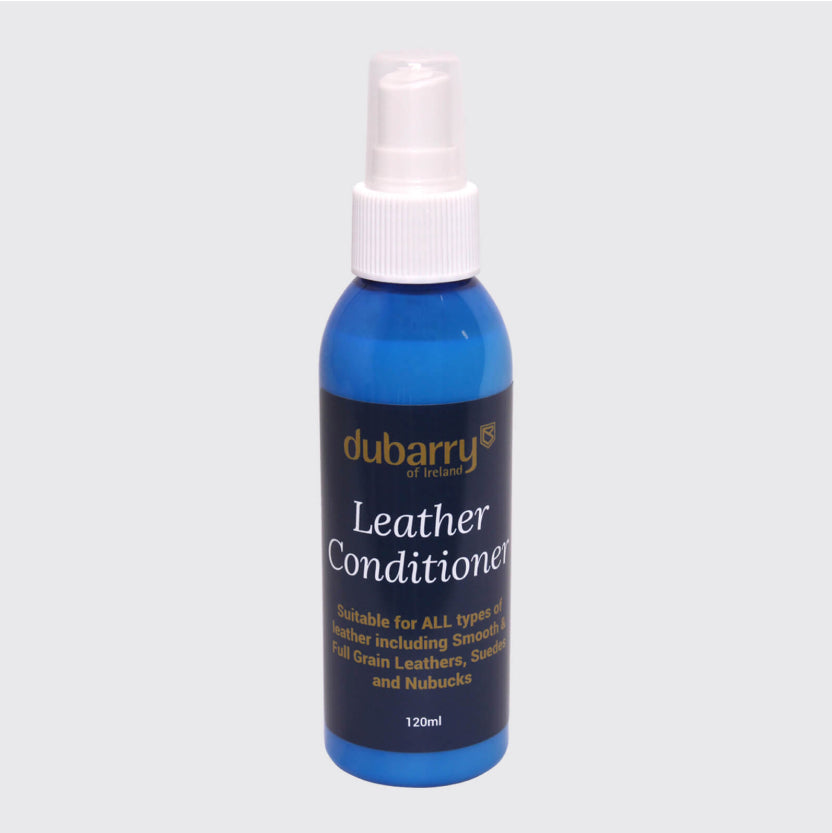
Apply Dubarry Leather Conditioner all over with a clean cloth/sponge or soft brush, pay attention to the flex area of the foot. Clean off any excess fluid and allow to dry for 2-3 hours before next treatments.
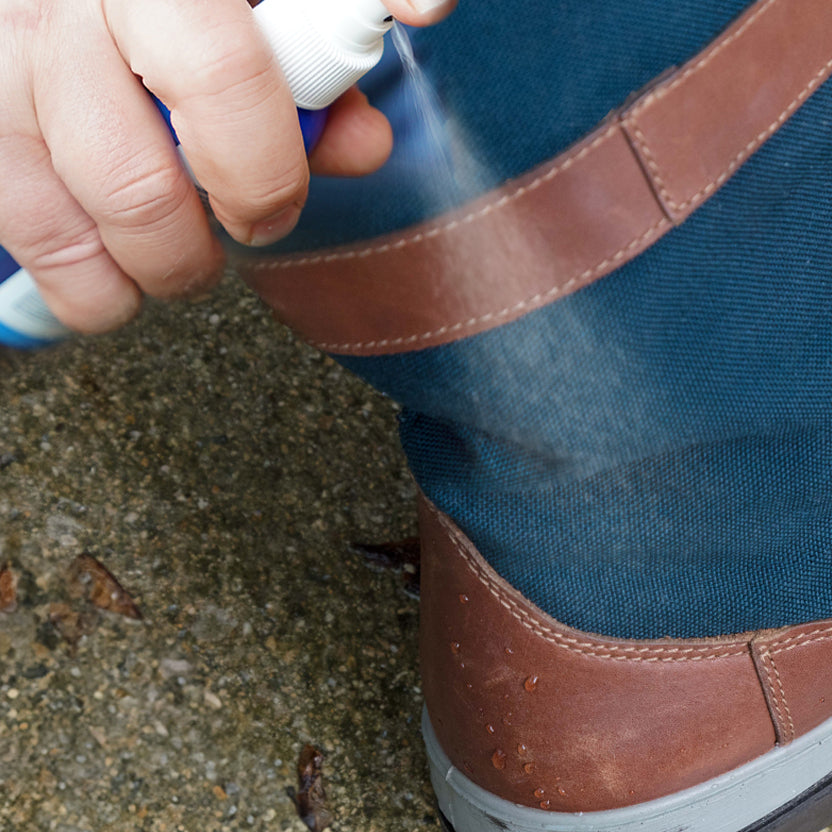
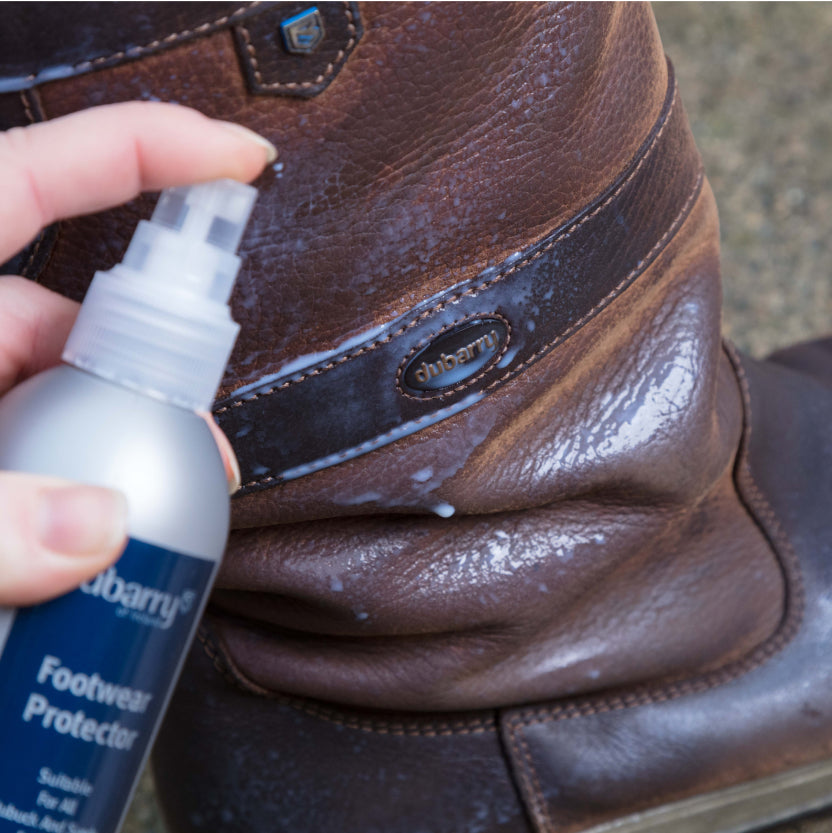
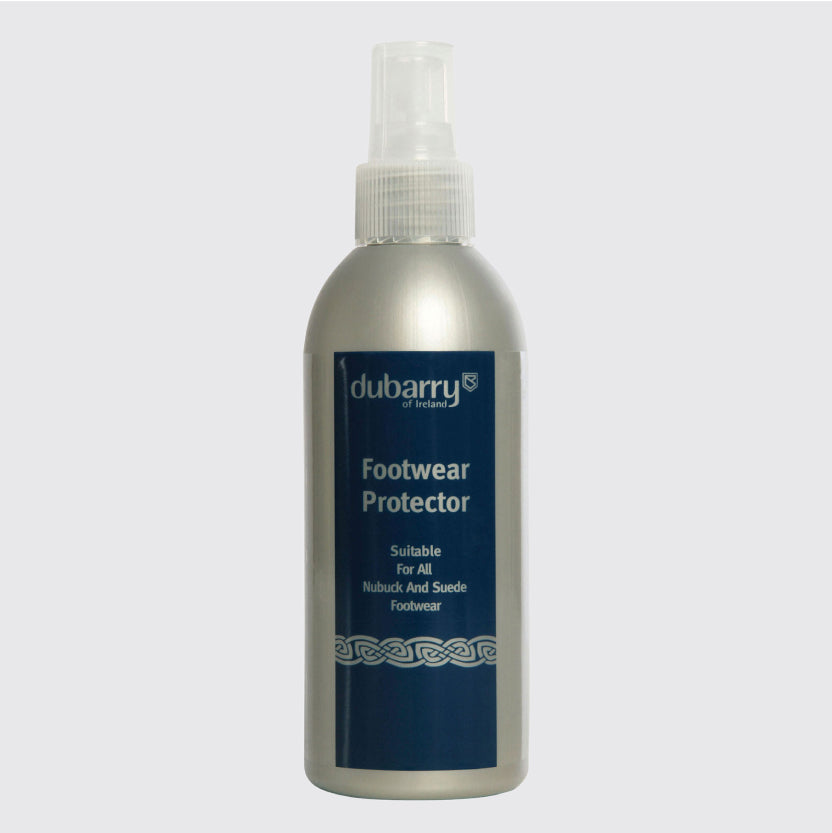
Spray Dubarry Footwear Protector all over your footwear, applying several layers, allowing absorption of each layer before applying the next. Footwear Protector restores the water repellency of the leather. This step is best completed outside or in a well-ventilated area.
Dubarry Leather Cream is recommended for boots that are exposed to the elements daily. Not necessary for fabric only boots.
![]()
 VAIKOBI VCOLD HYDROFLEX
Vaikobi Hydroflex fabrication has a water-repellent function, which is a series of fine water-repellent molecules on the surface of the garment. The water shedding properties keep you warmer and drier. The fleece inner traps warm air close to your skin.
- The fleece fabric can be damaged /pulled causing some pilling on the surface, so ensure to keep the garment away from velcro and abrasive surfaces.
- Wash and dry the garment as per the care label (cold machine wash or warm hand wash in mild detergent)
- The water repellent outer coating can become less water repellent over time with constant wash and wear. If you notice the VCOLD product has become less water repellent, simply apply heat to the outer surface, which helps to restore / recharge the water repellent molecules. This can be done with a warm iron, light warm cycle of a clothes dryer, or hairdryer. Use caution when applying heat to your garment.
 Most essential rule of thumb, store your garment once you are sure it is perfectly dry. It might be worth letting it dry naturally for an extra day to ensure all moisture has left the garment, especially when storing your product at the end of the sailing season.
https://musto.co.nz/pages/product-care
https://dubarry.com/pages/sailing-boots-care-guide?
https://www.vaikobi.com/blogs/news/how-to-care-for-your-vaikobi-gear